What We'd Check First After Working With 4,000+ Businesses
When a statement lands on our desk, we look at the same handful of things first. Here's the checklist, so you can do it yourself.

Card Connect Commerce has worked with more than 4,000 businesses. That doesn't make every statement simple. It does mean we've learned where to look first.
This isn't a list of horror stories. It's the order we'd go through a statement in, written down so you can follow it at your own desk.
1. The two totals
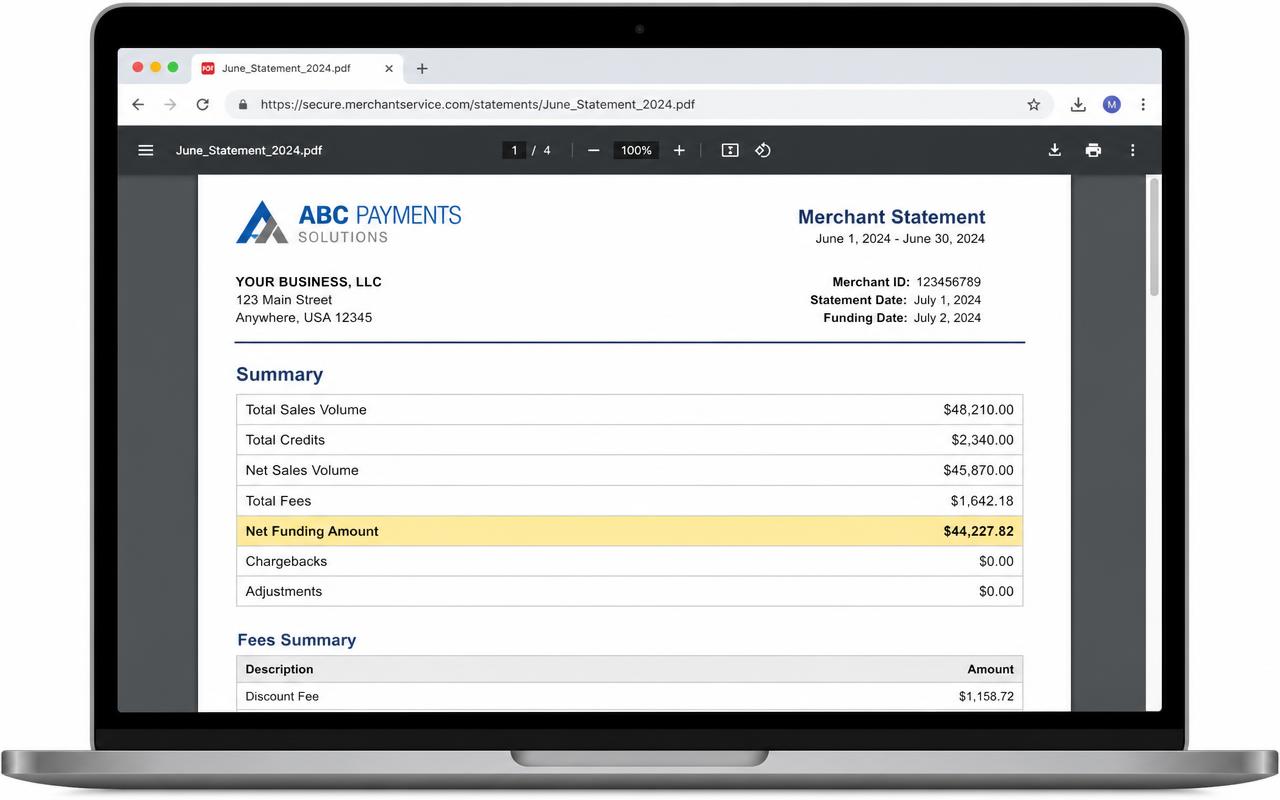
Before anything else: total card sales and total fees. Divide one by the other. That's the effective rate, and it frames everything after it. Here's how to calculate it.
We also check whether anything is billed outside the statement, like a terminal lease or software fee. Leaving those out makes the rate look lower than it is.
2. The pricing plan
Next, we figure out what kind of plan it is. Can we see interchange listed separately? Is there a clear markup? Or are sales sorted into tiers with labels like "qualified" and "non-qualified"?
The plan type tells us how easy it will be to separate the card networks' costs from the processor's. That matters for everything that follows.
3. The processor's share
Once we know the plan, we try to isolate the part your processor controls: their percentage, their per-sale fee, and their flat fees. This is the part that can change, so it's where the useful questions are.
4. The monthly extras
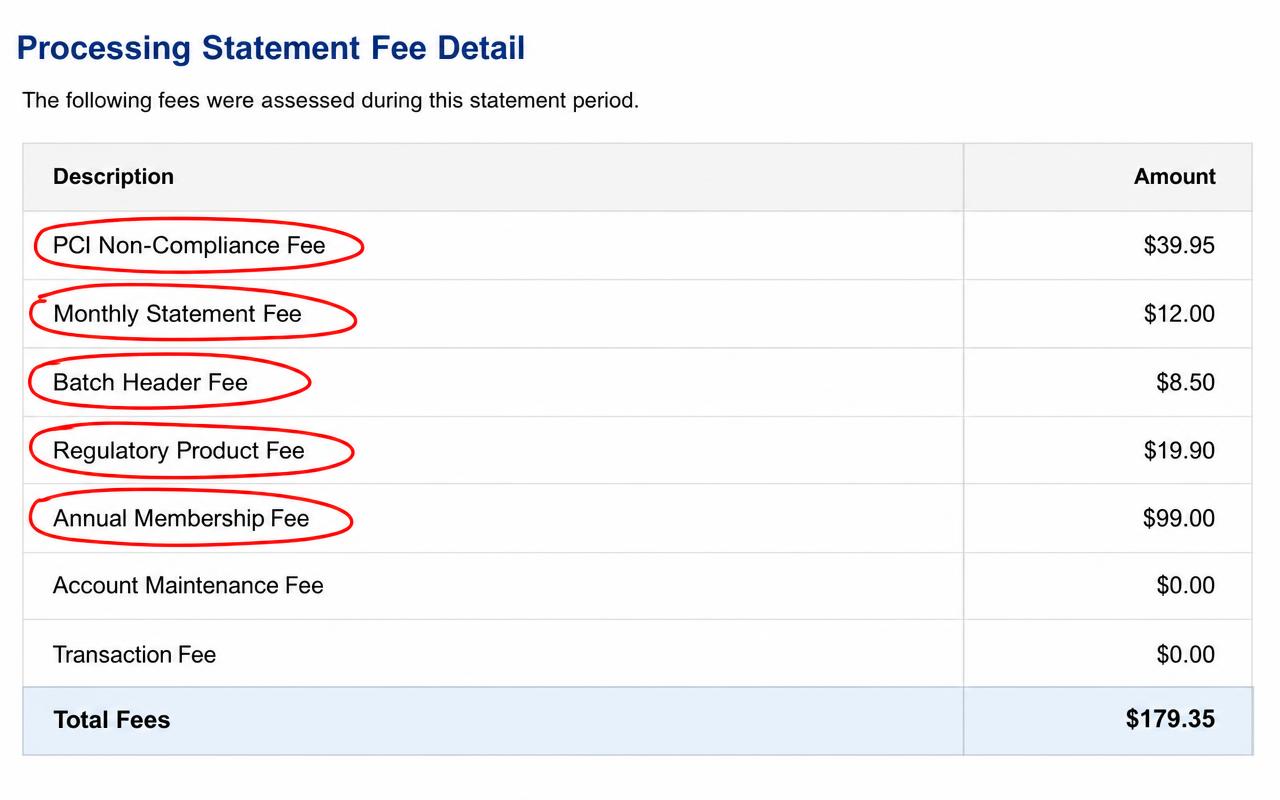
We list every flat fee. Service fees, statement fees, PCI fees, gateway fees, batch fees, minimums. We note any that seem to overlap, and any with names that don't explain what they are. Here are the five we look at most closely.
5. The card mix
We look at what kinds of cards your customers use and how they're taken. Lots of rewards cards, or lots of keyed-in and online sales, will raise costs on any processor. It's important to know how much of your rate is your customers and how much is your plan.
6. The equipment
Is the terminal leased, rented, or owned? If it's leased, how much is left on the lease? This is a common place for costs to hide because it often isn't on the main statement at all.
7. The contract
Finally, the terms. When does the contract end? Does it renew on its own? What would it cost to leave? Even if everything else looks good, these details shape what's realistic to do next.
Totals, plan, processor's share, monthly extras, card mix, equipment, contract. In that order. Most of the useful questions come from the first four.
Put the findings into three piles
| Finding | Next step |
|---|---|
| Unclear charge or missing information | Request an explanation and the relevant fee schedule before calling it excessive. |
| Processor-set pricing or an unused service | Ask for a written adjustment or removal and its effective date. |
| Card mix, payment method, or contract constraint | Account for it in the comparison; don't assume a new provider makes it disappear. |
Don't label the whole effective rate as markup
Illustrative example: separating the bill
If your statement bundles these categories, don't guess at the split. Ask for the underlying breakdown or compare a documented alternative using your actual transaction mix. A confident estimate with missing information is still an estimate.
What would make us pause?
A cheaper headline rate is not enough if the replacement adds a costly lease, breaks an integration, or introduces funding terms that don't work for the business. Check total cost and operational fit together. The useful outcome can be a better deal with your current processor, a different provider, or simply confirmation that no change is needed.
You can do every step of this yourself. If you'd rather hand it off, that's what our free audit is. Here's what happens during one.