Should You Negotiate With Your Current Processor or Switch?
Switching isn't always the answer. Sometimes a phone call does the job. Here's how to decide which path makes sense for you.
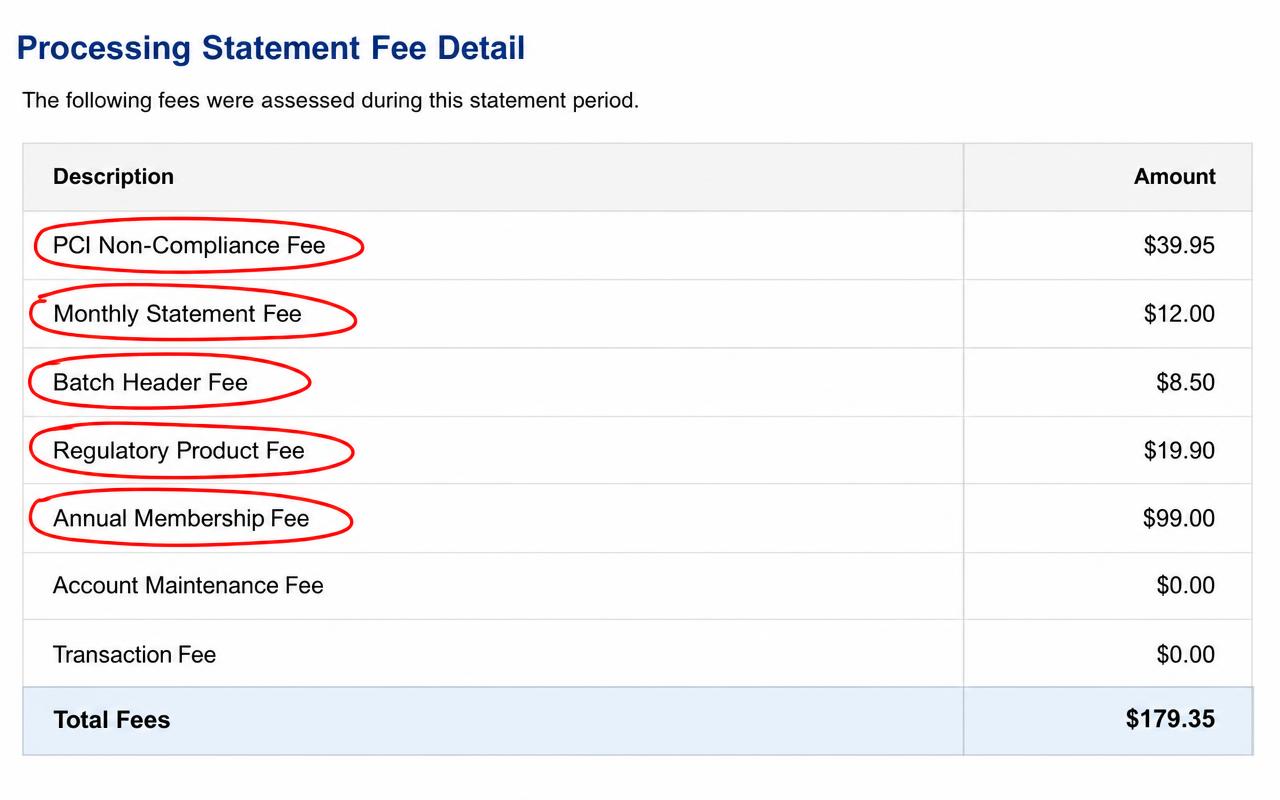
Let's say you've looked at your statement and you think you're paying too much. You have two choices. Ask your current processor for a better deal, or move to a different one.
Neither one is always right. Switching takes some effort, and staying put has real value if your current setup works. Here's how to think it through.
Start with what you know
Before you call anyone, get three things in front of you:
- Your effective rate for the last two or three months. Here's how to find it.
- A list of every fee your processor charges, with the amount.
- Your contract, especially the end date and the early termination section.
Without these, any conversation is guesswork. With them, you can ask specific questions.
When negotiating makes sense
Talking to your current processor first is usually a good idea when:
- You're happy with the service, the equipment, and how deposits work
- Your contract has a large early termination fee
- Your terminal or software is tied to this processor and would be costly to replace
- Your issues are a few specific fees rather than the whole pricing structure
Call and be direct. Name the fees you want removed or lowered. Ask what your markup is. Mention that you're comparing options. Many processors would rather adjust a rate than lose an account.
Then get any changes in writing, and check your next statement to make sure they happened.
When switching might make sense
Looking elsewhere tends to make more sense when:
- Your processor can't or won't explain your fees clearly
- You asked for changes and nothing happened
- You're on a pricing plan that hides your real costs, and they won't move you to a clearer one
- Support is slow or hard to reach when something breaks
- Your contract is ending soon, or the termination fee is small next to what you might save
Before you switch, check these
Your termination fee
Find out exactly what leaving would cost. Some new processors will help cover it. Ask, but don't assume.
Your equipment
If you lease your terminal, the lease may continue even after you leave the processor. If you own it, check whether it will work with a new processor.
Your software
If your point-of-sale system, booking software, or online store is connected to your processor, make sure a switch won't break it.
Do the math both ways
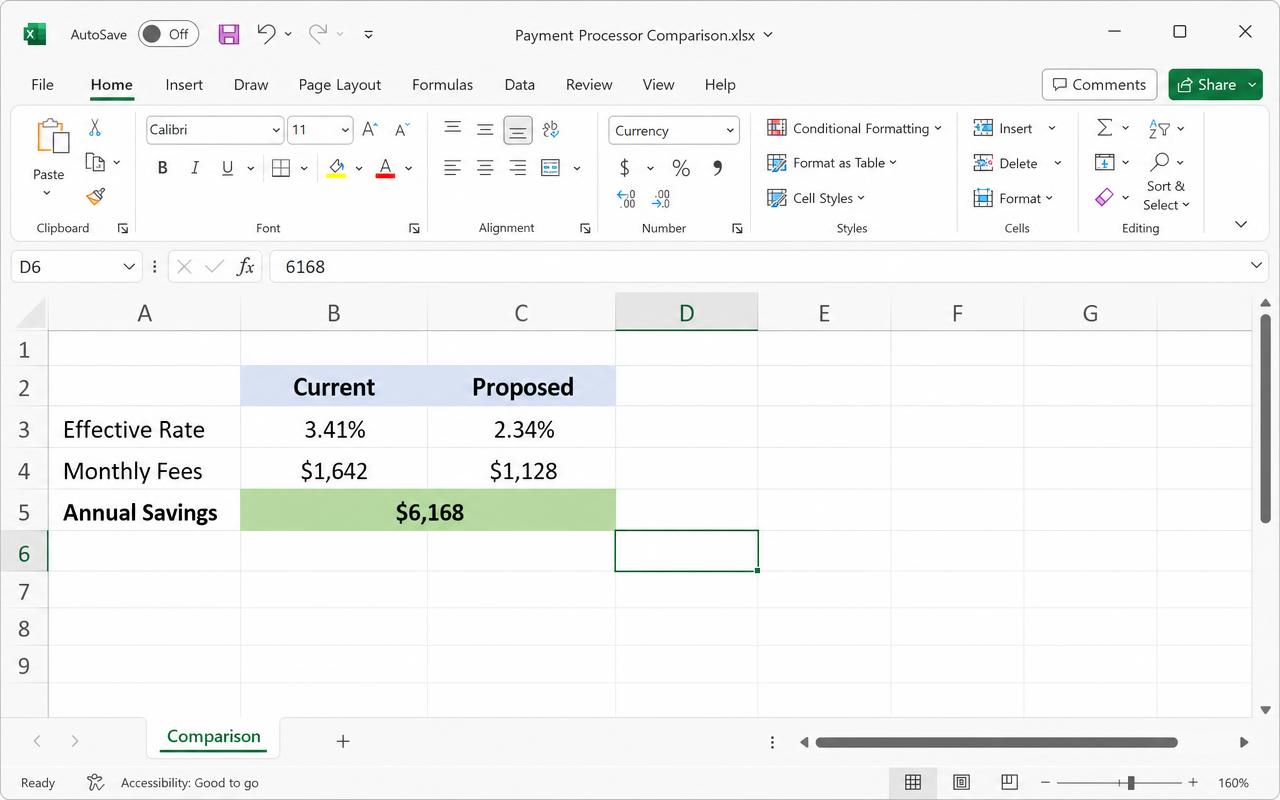
Example only: is switching worth it?
The best choice is the one that leaves you with clear pricing and a lower total cost after any switching costs. Sometimes that's a phone call. Sometimes it's a new processor.
Calculate how long it takes to recover the switching cost
Divide the one-time switching costs by the expected monthly savings. In the example above, $495 ÷ $200 is about 2.5 months. That's the estimated break-even point—not a promise. If the savings depend on higher future sales or a temporary promotion, run a more conservative version too.
- Include the whole move. Cancellation charges, equipment, setup, overlapping subscriptions, and staff training can all affect the first-year benefit.
- Check what survives cancellation. A separate terminal lease, software agreement, or personal guarantee may not end with the processing account.
- Confirm the new setup before closing the old one. Test sales, refunds, deposits, and any online integrations; keep access to old reports and dispute handling.
A better negotiation request
"I'd prefer to stay if the numbers work. Please review my processor markup and these recurring fees. What would my last month's total cost have been under your proposed terms? Please confirm all changes, any new contract term, and when they take effect in writing."
A retention offer can come with a fresh commitment. Compare its renewal terms as carefully as its price. If your current processor matches the economics and the service is good, staying may be the simpler result.
If you do start comparing, these seven questions will help you avoid ending up in the same spot again.
Further reading
The the FTC's guidance on credit card processing deals describes risks involving sales promises, cancellation terms, and equipment leases. It is general consumer-protection guidance, not a finding about your processor.